Heat stress is a critical health and safety concern when the body's ability to regulate its internal temperature is compromised due to prolonged exposure to excessive heat and humidity. This can lead to serious health conditions, including heat exhaustion, heat stroke, dehydration, and other heat-related illnesses.
Understanding heat stress and ...
Read more...
Heat stress is a serious occupational, athletic, and operational hazard, with severe impacts ranging from reduced productivity to life-threatening medical emergencies. Effective prevention strategies are essential in minimizing heat-related risks across workplaces, military bases, and sports facilities. Implementing comprehensive prevention ...
Read more...
Heat stress poses significant risks to health and safety, impacting millions of people globally, especially in occupations and activities involving strenuous physical effort or prolonged exposure to hot environments. As global temperatures rise and extreme heat events become increasingly common due to climate change, there is a growing urgency ...
Read more...
Understanding Heat Stress and the Importance of Accurate Monitoring
Heat stress is a critical concern for athletes, workers, and military personnel exposed to extreme temperatures. As global temperatures rise and heat waves become more frequent, understanding the risks associated with heat stress is more important than ever. The Wet Bulb Globe ...
Read more...
With the 2026 FIFA World Cup set to take place in North America, scientists are raising alarms about extreme heat stress conditions expected during matches. Research indicates that players could face dangerous heat levels, with simulated conditions in some stadiums exceeding a staggering 50°C (122°F) due to the combination of external heat ...
Read more...
Heat stress is a critical concern during military training, where physically demanding tasks, heavy gear, and extreme environmental conditions can put soldiers at risk. Without proper precautions, heat-related illnesses such as heat exhaustion or heat stroke can compromise safety and derail training objectives.
To mitigate these risks, military ...
Read more...
Protecting employees from heat stress has become a critical issue for many industries, especially those involving outdoor or high-temperature environments like construction, agriculture, and manufacturing. Heat stress monitoring allows organizations to take proactive steps to ensure worker safety, health, and productivity, especially during peak ...
Read more...
A new report from the International Labour Organization (ILO) highlights the alarming rise in workers affected by heat stress worldwide. As temperatures continue to soar due to climate change, more regions are experiencing dangerous heat levels that put workers' health and safety at risk. The report, Heat at Work: Implications for Safety and Health...
Read more...
Schools across the U.S. are transforming their asphalt-covered playgrounds into safer, cooler spaces by planting trees, building shade structures, and adding rain gardens. The Trust for Public Land is leading this effort, especially in urban areas where extreme heat poses a greater risk. Research shows that asphalt surfaces can reach dangerously ...
Read more...
Heat stress is a serious concern for those working in extreme environments, and the Norfolk Naval Shipyard is taking proactive steps to ensure the safety of its workforce. According to a recent article on the Navy’s official website, the shipyard has installed new evacuation signage and black flags to help protect employees from hazardous ...
Read more...

 Heat stress is a critical health and safety concern when the body's ability to regulate its internal temperature is compromised due to prolonged exposure to excessive heat and humidity. This can lead to serious health conditions, including heat exhaustion, heat stroke, dehydration, and other heat-related illnesses.
Understanding heat stress and ...
Read more...
Heat stress is a critical health and safety concern when the body's ability to regulate its internal temperature is compromised due to prolonged exposure to excessive heat and humidity. This can lead to serious health conditions, including heat exhaustion, heat stroke, dehydration, and other heat-related illnesses.
Understanding heat stress and ...
Read more...
 Heat stress is a serious occupational, athletic, and operational hazard, with severe impacts ranging from reduced productivity to life-threatening medical emergencies. Effective prevention strategies are essential in minimizing heat-related risks across workplaces, military bases, and sports facilities. Implementing comprehensive prevention ...
Read more...
Heat stress is a serious occupational, athletic, and operational hazard, with severe impacts ranging from reduced productivity to life-threatening medical emergencies. Effective prevention strategies are essential in minimizing heat-related risks across workplaces, military bases, and sports facilities. Implementing comprehensive prevention ...
Read more...
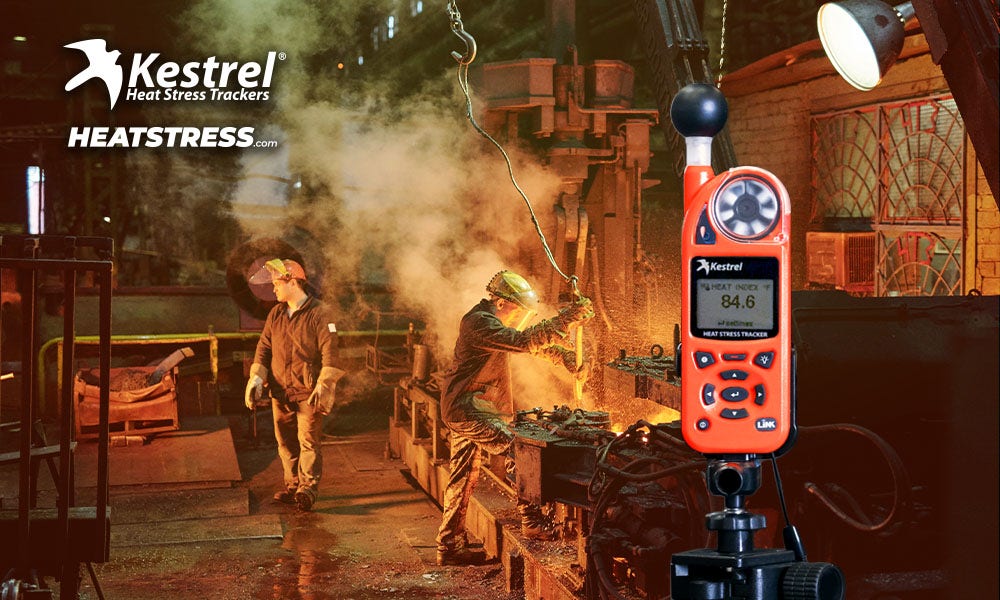 Heat stress poses significant risks to health and safety, impacting millions of people globally, especially in occupations and activities involving strenuous physical effort or prolonged exposure to hot environments. As global temperatures rise and extreme heat events become increasingly common due to climate change, there is a growing urgency ...
Read more...
Heat stress poses significant risks to health and safety, impacting millions of people globally, especially in occupations and activities involving strenuous physical effort or prolonged exposure to hot environments. As global temperatures rise and extreme heat events become increasingly common due to climate change, there is a growing urgency ...
Read more...
 Understanding Heat Stress and the Importance of Accurate Monitoring
Heat stress is a critical concern for athletes, workers, and military personnel exposed to extreme temperatures. As global temperatures rise and heat waves become more frequent, understanding the risks associated with heat stress is more important than ever. The Wet Bulb Globe ...
Read more...
Understanding Heat Stress and the Importance of Accurate Monitoring
Heat stress is a critical concern for athletes, workers, and military personnel exposed to extreme temperatures. As global temperatures rise and heat waves become more frequent, understanding the risks associated with heat stress is more important than ever. The Wet Bulb Globe ...
Read more...
 With the 2026 FIFA World Cup set to take place in North America, scientists are raising alarms about extreme heat stress conditions expected during matches. Research indicates that players could face dangerous heat levels, with simulated conditions in some stadiums exceeding a staggering 50°C (122°F) due to the combination of external heat ...
Read more...
With the 2026 FIFA World Cup set to take place in North America, scientists are raising alarms about extreme heat stress conditions expected during matches. Research indicates that players could face dangerous heat levels, with simulated conditions in some stadiums exceeding a staggering 50°C (122°F) due to the combination of external heat ...
Read more...
 Heat stress is a critical concern during military training, where physically demanding tasks, heavy gear, and extreme environmental conditions can put soldiers at risk. Without proper precautions, heat-related illnesses such as heat exhaustion or heat stroke can compromise safety and derail training objectives.
To mitigate these risks, military ...
Read more...
Heat stress is a critical concern during military training, where physically demanding tasks, heavy gear, and extreme environmental conditions can put soldiers at risk. Without proper precautions, heat-related illnesses such as heat exhaustion or heat stroke can compromise safety and derail training objectives.
To mitigate these risks, military ...
Read more...
 Protecting employees from heat stress has become a critical issue for many industries, especially those involving outdoor or high-temperature environments like construction, agriculture, and manufacturing. Heat stress monitoring allows organizations to take proactive steps to ensure worker safety, health, and productivity, especially during peak ...
Read more...
Protecting employees from heat stress has become a critical issue for many industries, especially those involving outdoor or high-temperature environments like construction, agriculture, and manufacturing. Heat stress monitoring allows organizations to take proactive steps to ensure worker safety, health, and productivity, especially during peak ...
Read more...
 A new report from the International Labour Organization (ILO) highlights the alarming rise in workers affected by heat stress worldwide. As temperatures continue to soar due to climate change, more regions are experiencing dangerous heat levels that put workers' health and safety at risk. The report, Heat at Work: Implications for Safety and Health...
Read more...
A new report from the International Labour Organization (ILO) highlights the alarming rise in workers affected by heat stress worldwide. As temperatures continue to soar due to climate change, more regions are experiencing dangerous heat levels that put workers' health and safety at risk. The report, Heat at Work: Implications for Safety and Health...
Read more...
 Schools across the U.S. are transforming their asphalt-covered playgrounds into safer, cooler spaces by planting trees, building shade structures, and adding rain gardens. The Trust for Public Land is leading this effort, especially in urban areas where extreme heat poses a greater risk. Research shows that asphalt surfaces can reach dangerously ...
Read more...
Schools across the U.S. are transforming their asphalt-covered playgrounds into safer, cooler spaces by planting trees, building shade structures, and adding rain gardens. The Trust for Public Land is leading this effort, especially in urban areas where extreme heat poses a greater risk. Research shows that asphalt surfaces can reach dangerously ...
Read more...
 Heat stress is a serious concern for those working in extreme environments, and the Norfolk Naval Shipyard is taking proactive steps to ensure the safety of its workforce. According to a recent article on the Navy’s official website, the shipyard has installed new evacuation signage and black flags to help protect employees from hazardous ...
Read more...
Heat stress is a serious concern for those working in extreme environments, and the Norfolk Naval Shipyard is taking proactive steps to ensure the safety of its workforce. According to a recent article on the Navy’s official website, the shipyard has installed new evacuation signage and black flags to help protect employees from hazardous ...
Read more...