Heat stress is a serious occupational, athletic, and operational hazard, with severe impacts ranging from reduced productivity to life-threatening medical emergencies. Effective prevention strategies are essential in minimizing heat-related risks across workplaces, military bases, and sports facilities. Implementing comprehensive prevention ...
Read more...
Heat stress poses significant risks to health and safety, impacting millions of people globally, especially in occupations and activities involving strenuous physical effort or prolonged exposure to hot environments. As global temperatures rise and extreme heat events become increasingly common due to climate change, there is a growing urgency ...
Read more...
Protecting employees from heat stress has become a critical issue for many industries, especially those involving outdoor or high-temperature environments like construction, agriculture, and manufacturing. Heat stress monitoring allows organizations to take proactive steps to ensure worker safety, health, and productivity, especially during peak ...
Read more...
A new report from the International Labour Organization (ILO) highlights the alarming rise in workers affected by heat stress worldwide. As temperatures continue to soar due to climate change, more regions are experiencing dangerous heat levels that put workers' health and safety at risk. The report, Heat at Work: Implications for Safety and Health...
Read more...
Schools across the U.S. are transforming their asphalt-covered playgrounds into safer, cooler spaces by planting trees, building shade structures, and adding rain gardens. The Trust for Public Land is leading this effort, especially in urban areas where extreme heat poses a greater risk. Research shows that asphalt surfaces can reach dangerously ...
Read more...
Heat stress is a serious concern for those working in extreme environments, and the Norfolk Naval Shipyard is taking proactive steps to ensure the safety of its workforce. According to a recent article on the Navy’s official website, the shipyard has installed new evacuation signage and black flags to help protect employees from hazardous ...
Read more...
Heat stress is a serious concern in hot and humid weather, but several myths persist that can lead to improper management of its risks. Here are three common myths about heat stress, debunked.
Myth 1: Heat Stress Only Happens When Temperatures Are Extremely High
Reality: Heat stress can occur even in moderate temperatures if humidity is high. ...
Read more...
On August 21, 2024, a diverse group of stakeholders, industry professionals, and thought leaders convened in Philadelphia for the Advancing Worker Heat Safety Event. Co-hosted by the Korey Stringer Institute (KSI) and Nielsen-Kellerman, the event emphasized the urgent need for improved safety protocols to protect workers from the growing threat of ...
Read more...
When it comes to workplace safety, preparation is key—especially with the Occupational Safety and Health Administration (OSHA) increasing its oversight on industries prone to hazards like heat stress. Whether you're running a warehouse, a factory, or any other environment where safety is critical, being ready for an OSHA inspection can make all ...
Read more...
In 2024, Maricopa County has reported 66 confirmed heat-related deaths, with an additional 447 currently under investigation. While these numbers are slightly lower compared to the same period in 2023, trendlines suggest that this year’s total could still surpass last year's. The data reveals a concerning increase in heat-related fatalities over ...
Read more...

 Heat stress is a serious occupational, athletic, and operational hazard, with severe impacts ranging from reduced productivity to life-threatening medical emergencies. Effective prevention strategies are essential in minimizing heat-related risks across workplaces, military bases, and sports facilities. Implementing comprehensive prevention ...
Read more...
Heat stress is a serious occupational, athletic, and operational hazard, with severe impacts ranging from reduced productivity to life-threatening medical emergencies. Effective prevention strategies are essential in minimizing heat-related risks across workplaces, military bases, and sports facilities. Implementing comprehensive prevention ...
Read more...
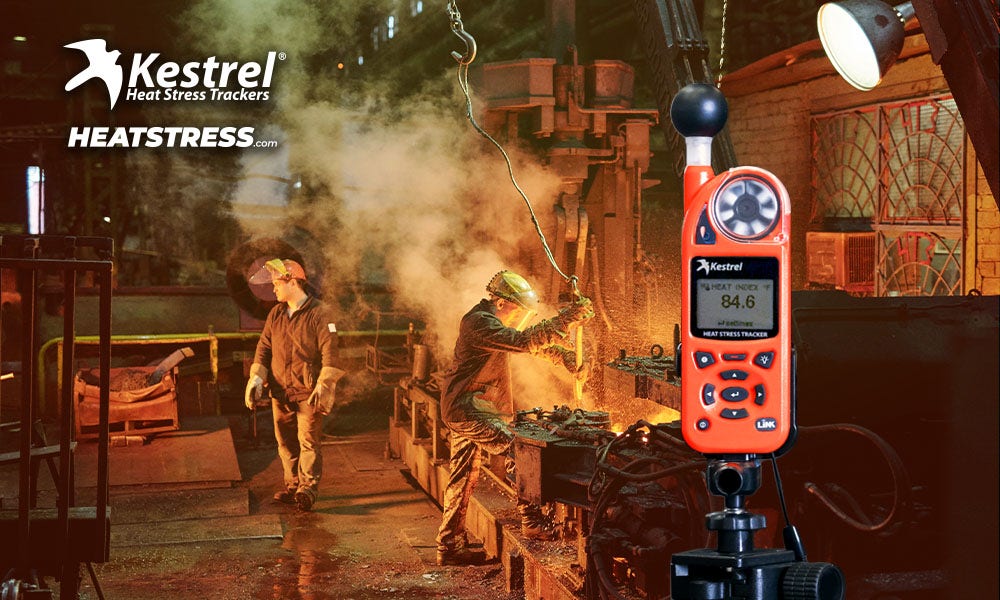 Heat stress poses significant risks to health and safety, impacting millions of people globally, especially in occupations and activities involving strenuous physical effort or prolonged exposure to hot environments. As global temperatures rise and extreme heat events become increasingly common due to climate change, there is a growing urgency ...
Read more...
Heat stress poses significant risks to health and safety, impacting millions of people globally, especially in occupations and activities involving strenuous physical effort or prolonged exposure to hot environments. As global temperatures rise and extreme heat events become increasingly common due to climate change, there is a growing urgency ...
Read more...
 Protecting employees from heat stress has become a critical issue for many industries, especially those involving outdoor or high-temperature environments like construction, agriculture, and manufacturing. Heat stress monitoring allows organizations to take proactive steps to ensure worker safety, health, and productivity, especially during peak ...
Read more...
Protecting employees from heat stress has become a critical issue for many industries, especially those involving outdoor or high-temperature environments like construction, agriculture, and manufacturing. Heat stress monitoring allows organizations to take proactive steps to ensure worker safety, health, and productivity, especially during peak ...
Read more...
 A new report from the International Labour Organization (ILO) highlights the alarming rise in workers affected by heat stress worldwide. As temperatures continue to soar due to climate change, more regions are experiencing dangerous heat levels that put workers' health and safety at risk. The report, Heat at Work: Implications for Safety and Health...
Read more...
A new report from the International Labour Organization (ILO) highlights the alarming rise in workers affected by heat stress worldwide. As temperatures continue to soar due to climate change, more regions are experiencing dangerous heat levels that put workers' health and safety at risk. The report, Heat at Work: Implications for Safety and Health...
Read more...
 Schools across the U.S. are transforming their asphalt-covered playgrounds into safer, cooler spaces by planting trees, building shade structures, and adding rain gardens. The Trust for Public Land is leading this effort, especially in urban areas where extreme heat poses a greater risk. Research shows that asphalt surfaces can reach dangerously ...
Read more...
Schools across the U.S. are transforming their asphalt-covered playgrounds into safer, cooler spaces by planting trees, building shade structures, and adding rain gardens. The Trust for Public Land is leading this effort, especially in urban areas where extreme heat poses a greater risk. Research shows that asphalt surfaces can reach dangerously ...
Read more...
 Heat stress is a serious concern for those working in extreme environments, and the Norfolk Naval Shipyard is taking proactive steps to ensure the safety of its workforce. According to a recent article on the Navy’s official website, the shipyard has installed new evacuation signage and black flags to help protect employees from hazardous ...
Read more...
Heat stress is a serious concern for those working in extreme environments, and the Norfolk Naval Shipyard is taking proactive steps to ensure the safety of its workforce. According to a recent article on the Navy’s official website, the shipyard has installed new evacuation signage and black flags to help protect employees from hazardous ...
Read more...
 Heat stress is a serious concern in hot and humid weather, but several myths persist that can lead to improper management of its risks. Here are three common myths about heat stress, debunked.
Myth 1: Heat Stress Only Happens When Temperatures Are Extremely High
Reality: Heat stress can occur even in moderate temperatures if humidity is high. ...
Read more...
Heat stress is a serious concern in hot and humid weather, but several myths persist that can lead to improper management of its risks. Here are three common myths about heat stress, debunked.
Myth 1: Heat Stress Only Happens When Temperatures Are Extremely High
Reality: Heat stress can occur even in moderate temperatures if humidity is high. ...
Read more...
 On August 21, 2024, a diverse group of stakeholders, industry professionals, and thought leaders convened in Philadelphia for the Advancing Worker Heat Safety Event. Co-hosted by the Korey Stringer Institute (KSI) and Nielsen-Kellerman, the event emphasized the urgent need for improved safety protocols to protect workers from the growing threat of ...
Read more...
On August 21, 2024, a diverse group of stakeholders, industry professionals, and thought leaders convened in Philadelphia for the Advancing Worker Heat Safety Event. Co-hosted by the Korey Stringer Institute (KSI) and Nielsen-Kellerman, the event emphasized the urgent need for improved safety protocols to protect workers from the growing threat of ...
Read more...
 When it comes to workplace safety, preparation is key—especially with the Occupational Safety and Health Administration (OSHA) increasing its oversight on industries prone to hazards like heat stress. Whether you're running a warehouse, a factory, or any other environment where safety is critical, being ready for an OSHA inspection can make all ...
Read more...
When it comes to workplace safety, preparation is key—especially with the Occupational Safety and Health Administration (OSHA) increasing its oversight on industries prone to hazards like heat stress. Whether you're running a warehouse, a factory, or any other environment where safety is critical, being ready for an OSHA inspection can make all ...
Read more...
 In 2024, Maricopa County has reported 66 confirmed heat-related deaths, with an additional 447 currently under investigation. While these numbers are slightly lower compared to the same period in 2023, trendlines suggest that this year’s total could still surpass last year's. The data reveals a concerning increase in heat-related fatalities over ...
Read more...
In 2024, Maricopa County has reported 66 confirmed heat-related deaths, with an additional 447 currently under investigation. While these numbers are slightly lower compared to the same period in 2023, trendlines suggest that this year’s total could still surpass last year's. The data reveals a concerning increase in heat-related fatalities over ...
Read more...